Structures That Don't Attract Venomous Activity
Spider, Scorpion & Stinging Insect Control in Modesto for properties where venomous species pose safety risks
Holley's Four Seasons Pest Solutions reduces populations of spiders, scorpions, wasps, hornets, and other stinging insects around homes and businesses in Modesto, San Ramon, and the surrounding areas through targeted inspections and treatment barriers. The service addresses properties where venomous black widows, aggressive paper wasps, or scorpions create hazards near doorways, outdoor living areas, and play spaces. Web removal and treatment of harborage areas eliminate active populations while protective barriers prevent reestablishment around foundation lines and entry points.
Inspections identify nesting sites under eaves, in block wall voids, behind outdoor equipment, and within landscape rock where these pests typically shelter during daylight hours. Treatment focuses on eliminating conducive conditions such as ground-level debris piles, untreated wood surfaces, and irrigation-created moisture zones that attract prey insects. Exclusion recommendations address gaps around utility penetrations and damaged weatherstripping that allow indoor access.
Schedule a property inspection to identify specific nesting sites and harborage conditions before seasonal activity increases.
Treatment barriers create a chemical zone around your structure's perimeter that stinging insects and arachnids avoid when searching for nesting locations or prey. Applications target foundation lines, window frames, door thresholds, and utility entry points where these pests commonly cross from outdoor habitats into protected spaces. The barrier remains effective through multiple pest life cycles when applied to clean, dry surfaces and reactivated through scheduled maintenance visits.
After treatment, you notice fewer webs forming in previously active corners, reduced wasp activity near entryways, and elimination of scorpion sightings in garages or on exterior walls during evening hours. Outdoor areas become usable again without the constant concern of disturbing a yellow jacket nest in the eaves or encountering a black widow when moving stored items. The treatment doesn't just kill visible pests—it prevents new populations from establishing the territorial markers that attract additional members of the same species.
Environmental modifications work alongside chemical treatments to produce lasting results. Removing dense ground cover within three feet of foundations, trimming vegetation away from exterior walls, and relocating firewood piles at least twenty feet from structures all reduce the habitat quality for spiders and scorpions. Properties with decorative rock landscapes require different treatment approaches than those with mulched beds, since rock retains heat and provides ideal scorpion harborage that demands more frequent barrier renewal.
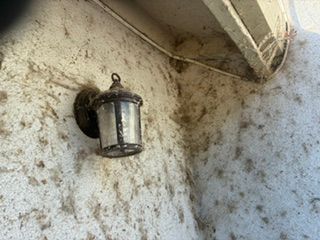
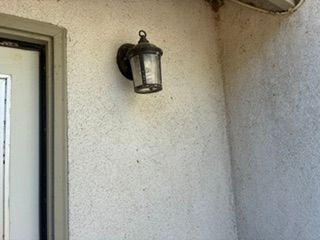
Before/After
Spider Control
Answers to Frequent Service Questions
Property owners in Modesto typically ask about treatment timing, pest identification, and what changes after service completion.
What happens during the initial inspection?
The technician examines your property's exterior perimeter, checks common nesting locations like eaves and block walls, identifies active harborage areas, and notes conducive conditions such as moisture issues or structural gaps that support pest activity.
How does treatment address both visible pests and hidden populations?
Web removal eliminates egg sacs and existing spiders, direct treatment controls active wasps or hornets at nesting sites, and barrier applications prevent insects sheltering in wall voids or landscape features from crossing into treated zones.
When should preventative service be scheduled?
Treatment before spring and early summer provides the most effective protection, since stinging insect queens begin nesting in March and spider populations peak as temperatures rise through May and June in the Modesto area.
What makes scorpion control different from general spider treatment?
Scorpions require attention to ground-level harborage like irrigation valve boxes, landscape edging, and decorative rock where they hunt at night, while spiders concentrate in elevated locations where they build webs to trap flying insects.
How long does the protective barrier remain effective?
Barrier treatments typically provide protection for sixty to ninety days under normal conditions, though properties with heavy irrigation, frequent rain, or high pest pressure may benefit from more frequent reapplication schedules.
Holley's Four Seasons Pest Solutions addresses venomous pest concerns with inspections that identify the specific species and conditions affecting your property. Request a property evaluation to develop a treatment program based on your structure's risk factors and surrounding environment.